Learning from Global Cities
Cities across the world have demonstrated that liveability is a result of intentional governance and sustained implementation, not income levels alone.
- Copenhagen – Pedestrian-first streets, cycling infrastructure, dust and noise control
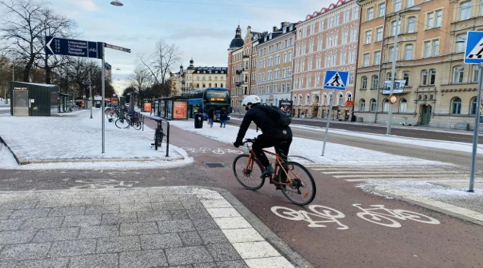
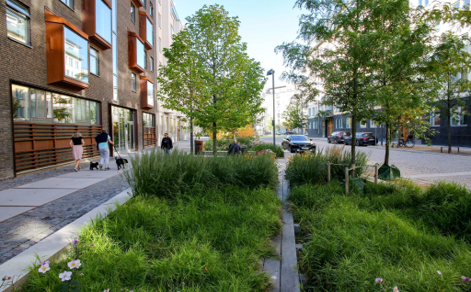
- Stockholm – Integrated urban planning, clean air policies, strong public transport
- Paris – Road diet, priority to cycling infrastructure, reclaiming streets for people, low-emission zones
- Bangkok – Rapid improvements in walkability and last-mile public transport despite density
These examples show that Indian cities can do better with the right priorities and structures.
How big Cities Tackled Air Pollution by Redesigning Urban Life : some examples
Air pollution is no longer only an environmental crisis—it is an urban design failure. Some cities have treated it as such, proving that cleaner air is achieved not just by regulating emissions, but by reshaping how people move, live, and interact in the city. Copenhagen, Stockholm, Paris, and Bangkok each followed different paths, but share one principle: reducing dependency on polluting transport while prioritising human-scale mobility.
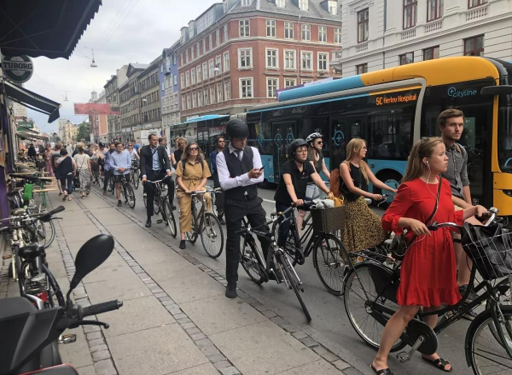
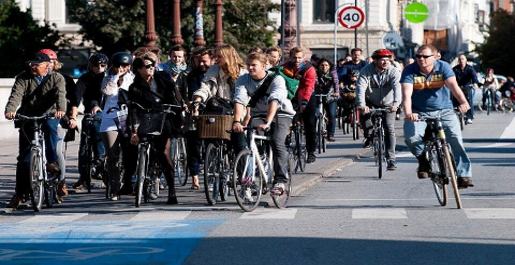
Copenhagen attacked pollution at its source by making the car the least practical option. The city built one of the world’s most efficient cycling ecosystems, combining protected bike lanes, traffic-calmed neighbourhoods, and a dense network of pedestrian-first streets. By physically designing roads for bikes and walkers—not vehicles—Copenhagen drastically reduced combustion emissions, while also limiting particulate pollution through dust suppression, street cleaning, and strict noise and construction regulations. Air quality improved as mobility shifted: today, more than half of residents commute by bike daily, cutting both air and noise pollution simultaneously.
Stockholm took a system-level approach through long-term integrated urban planning. Rather than retrofitting solutions, the city embedded clean air targets into zoning, infrastructure, and economic incentives. Congestion pricing reduced traffic volumes in the city centre, while an already strong public transport backbone—electric buses, metro, and commuter rail—offered clean alternatives at scale. Strict clean air policies accelerated the transition to low-emission fleets, and dense transit-oriented development reduced travel distances, limiting pollution exposure. The result was cleaner air and a more compact, efficient city with reduced peak-hour emissions.
Voices Heard
”Sustainable Cities helped me understand how citizen engagement can truly shape cleaner, healthier urban spaces.”
City Life
Snapshots capturing the daily hustle and urban challenges.


